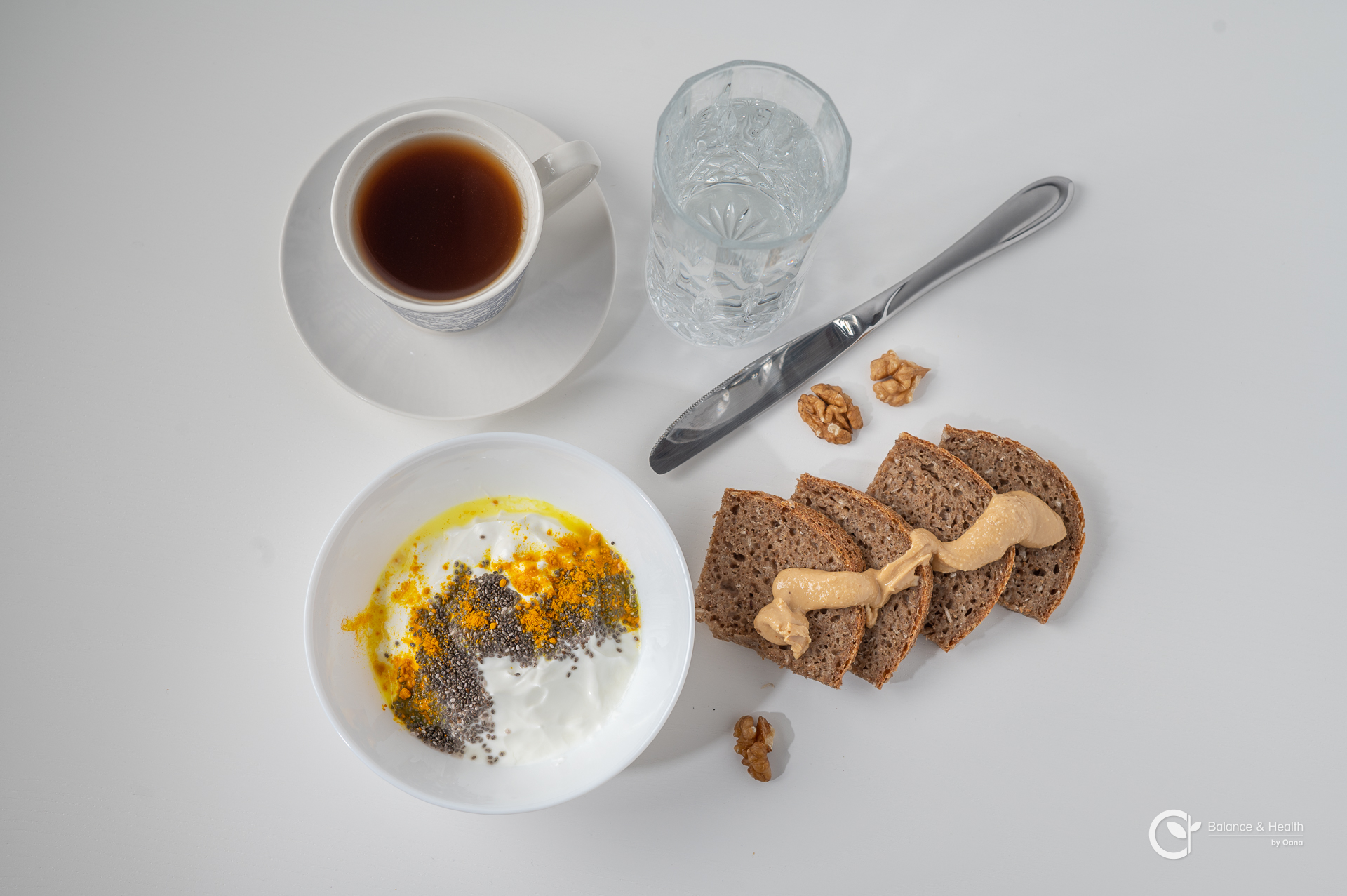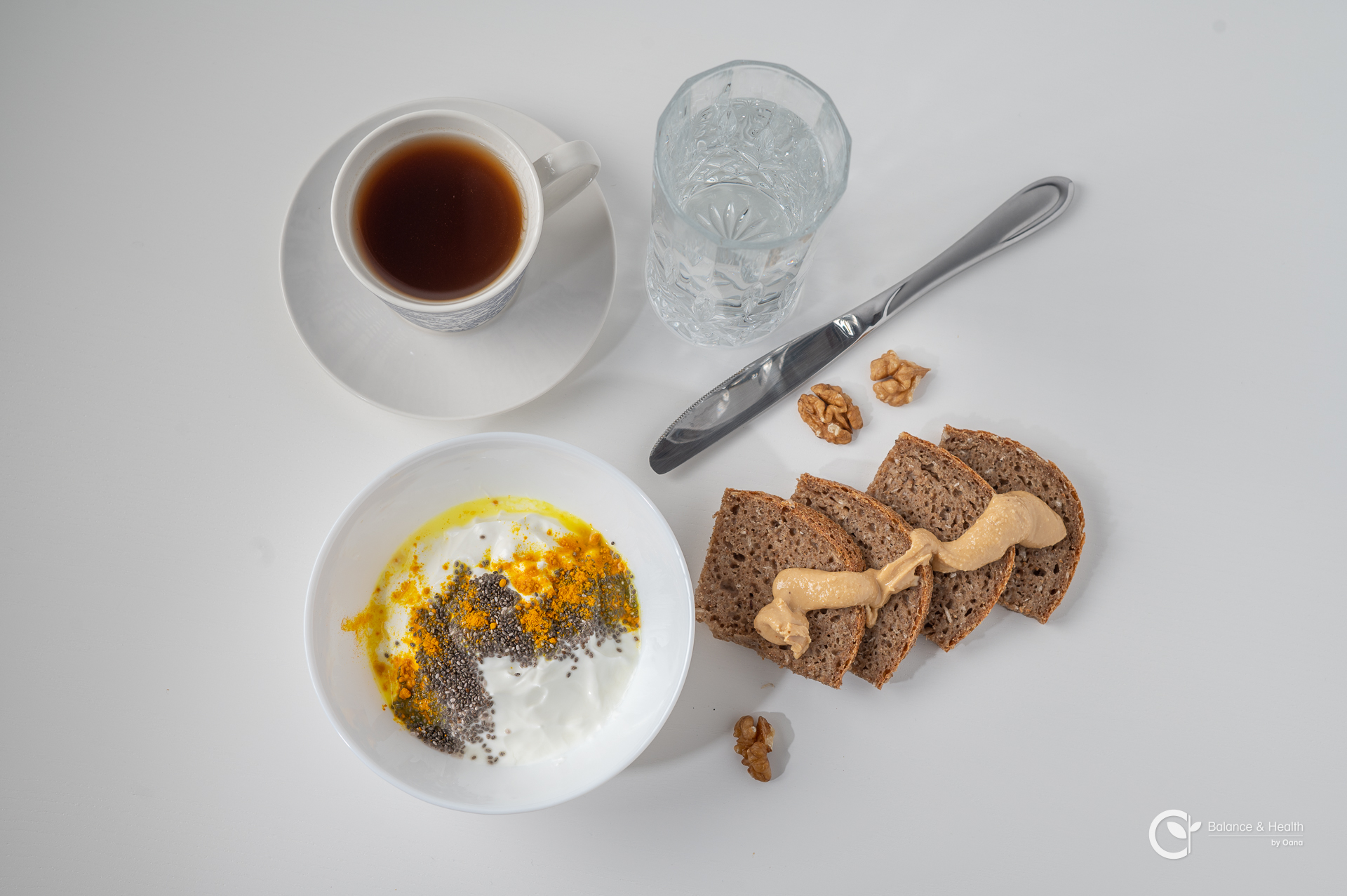
Healthy eating means more than just the food on your plate; it also means our perception of food: it can be our best friend or our greatest enemy.
Healthy eating habits are learned, just as bad ones were. Any behavior can be learned, including preferences for certain tastes or foods.
Education in this field is very important.
From the moment the body wakes up, it needs energy throughout the day.
The final objective of each person should be to achieve the World Health Organization recommendation, that of having an intake of 5 meals a day.
Whether we call them 3 main meals and 2 snacks, or 5 meals, the important thing is to aim for this goal.
Food is the fuel that gives energy to the body and keeps us moving.
Having a schedule and routine for meal times is also important in establishing a healthy habit and achieving overall balance.
An important rule in distributing meals throughout the day is that calorie-rich meals should be eaten in the first part of the day, at breakfast and lunch.
Depending on preferences and individual schedules, meal planning can be done daily, from today to tomorrow, or ideally weekly.
The 3 main meals of the day, breakfast, lunch, and dinner, should have the most significant calorie distribution.
It is recommended to avoid consuming a heavy meal and 4-5 smaller meals.
Six simple rules for a strong immune system, rules that would be beneficial to consider in daily life:
- Quality protein.
- A large salad every day.
- A half-cup serving of beans/vegetables in soup, salad, or other dishes once a day.
- A moderate serving of fresh fruit per day, berries, pomegranates, cherries, or seasonal fruits consumed in the first part of the day.
- At least 30 g of raw nuts and seeds per day.
- A large (double) serving of green vegetables per day, whether raw, steamed, in soups, or dishes.
As part of the daily routine, which helps in establishing a balance in eating habits, a food diary is recommended.
A food diary should be kept for at least a week to determine a cycle of your life, including weekends, known as days full of temptation and incorrect deviations.
There is no pre-established rule regarding keeping a food diary; it can be kept for life. Some benefits of a food diary are that transferring information to paper reduces feelings of guilt in case of deviations, transfers the load from the mind to an external support, thus significantly reducing emotional value.
It can take a general form, as a list of foods consumed in a day, reconstructed from memory. Or it can be a more detailed record including the times and quantities of food, recorded immediately after eating.
The food diary will also form a direct link between the food plan, the way you look, and how you feel as you approach your goals.
As part of the daily routine, to help integrate the establishment of the 5 daily meals, shopping should never be done on an empty stomach.
Initially, we pay attention to this aspect, followed by making a shopping list with a specific focus on the major product groups our body needs: proteins, carbohydrates, and fats.
Temptations in stores arise as a result of habits and patterns already established in the mind. An important thing to remember is that sweets and alcoholic drinks contain a lot of sugar: a glass of juice can contain up to 8-9 tablespoons of sugar, a pastry up to 10 teaspoons of sugar, a piece of cake up to 15 teaspoons of sugar.
Sugar consumption lowers immunity by reducing and even blocking the action of white blood cells called leukocytes. Thus, as sugar consumption increases, the body’s ability to destroy bacteria decreases. At 0 teaspoons of sugar, the number of bacteria destroyed is 14, at a consumption of 6 teaspoons of sugar (the equivalent of a chocolate bar) bacteria destroyed by leukocytes decreases to 10 and immunity decreases by 25%, at 12 teaspoons of sugar (the equivalent of a can of soda) bacteria destroyed by a leukocyte drop to 6 and immunity decreases by 60%, at 18 teaspoons of sugar bacteria destroyed by leukocytes decrease to 2 and immunity decreases by 82%, and at 24 teaspoons of sugar bacteria destroyed by leukocytes decrease to 1 and immunity is affected by 92%.